Presenter Resources
Digital Storytelling: Presenter Guide
This guide is for presenters in the Digital Storytelling sessions at the Virtual DLF Forum. These sessions are paired with Digital Storytelling Fellows, early-career practitioners historically underrepresented in digital libraries, who participate and share reflections after the Forum.
This guide supports a meaningful, engaging experience for presenters and Fellows.
Virtual Forum: October 14-15, 2026
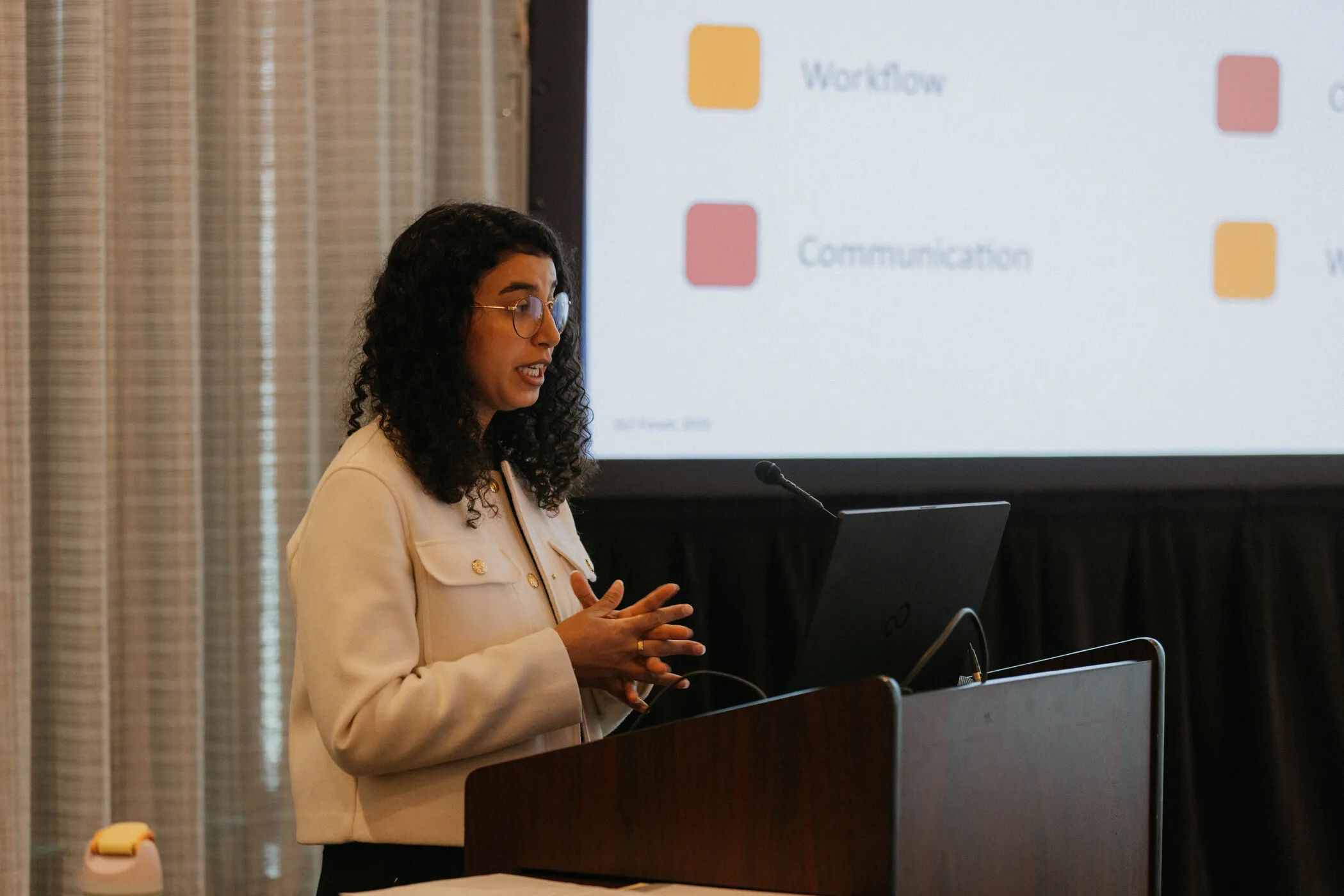
Recommended Structure
A 40-minute session framework
Sessions are interactive and reflective, not lecture-only. Structured engagement lets Fellows and attendees contribute.
Presentation and storytelling
Share the core story, context, and lessons that frame the session.
Interactive discussion
Invite participants to connect the session content to their own work and contexts.
Q&A and closing
Make space for final questions, reflections, and shared takeaways.
Working with Fellows
Fellows are participants, not evaluators
Fellows introduce themselves and are identifiable on Zoom. Presenters can help create an open, reciprocal session by inviting broad participation.
Invite experience
Invite participants to share relevant experiences.
Connect contexts
Ask questions that link session content to broader contexts.
Encourage adaptation
Encourage dialogue on transferability and adaptation to different contexts.
Make space
Make space for diverse perspectives throughout the session.
Interactive Engagement
Support active virtual participation
Interactive elements should support learning and peer exchange. Choose approaches that fit your session goals, time, and audience.
Guided prompts
Use focused discussion prompts to help participants enter the conversation.
Scenario reflection
Pose scenario-based reflection questions connected to real institutional work.
Polls and chat
Use polls or chat-based engagement for quick participation and comparison.
Applied exercises
Offer a short applied activity participants can complete during the session.
Institutional comparison
Ask questions that invite comparison across institutional contexts, resource levels, and roles.
Inclusive Facilitation
Design for multiple ways to participate
Inclusive facilitation helps participants contribute from different experience levels, institutional settings, and access needs.
See the Resources for Presenter page for more best practices.
Presenters should:
- Use clear, accessible language
- Share examples from varied institutions and resource levels
- Invite contributions from diverse experiences
- Allow multiple ways to participate: spoken, chat, or written reflection
After the Session
Community reflections continue after the Forum
Fellows will write brief blog reflections on key session themes to share with the community via diglib.org following the Forum.
Questions about session structure or Fellows? Contact us at forum@diglib.org. We're excited to shape this community-centered format together.